Free shipping on orders over $140

The Ultimate Source for MICR Check Printing Solutions.
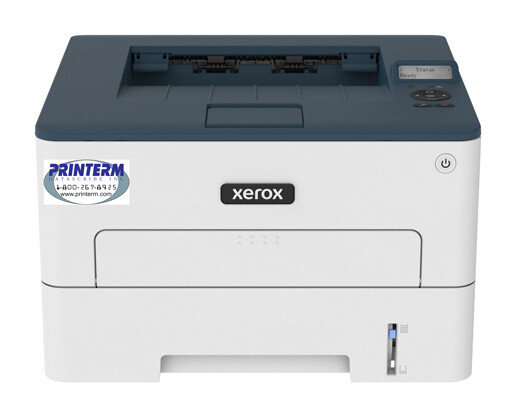
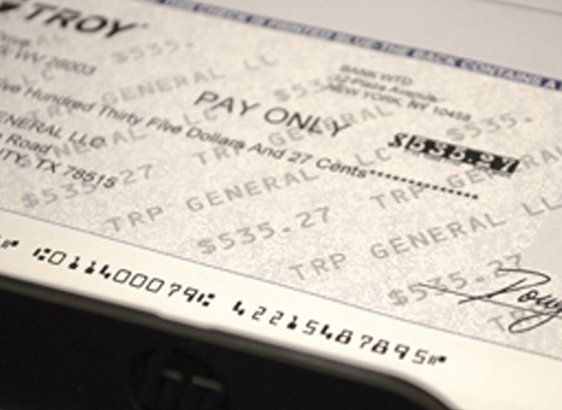
Your one-stop-shop for MICR printers, MICR toner cartridges & MICR check paper, software, hardware & testing equipment.
We provide MICR solutions for the below listed printer companies.
We specialize in Secure Check Printing for Corporate Solutions
Printerm is a main supplier of MICR printer products capable of interfacing with IBM, UNIX, SAP, Peoplesoft, Oracle, Jonas Software and many other environments.
Understanding the need for rapid and accurate response in today's computer market, Printerm provides coast to coast installation and on-site service for our products. In locations where we currently do not have our own service staff, we utilize a third party service subcontractor.
Lowest Prices Guaranteed
If you find a lower price on the web for comparable quantities and quality, we will match or beat that price. Learn more
Unique MICR Font
All of our printers have a unique MICR font that is modified to suit each printer engine. Learn more
Reliable Magnetic Toner
Our Magnetic Toner is designed specifically for each print engine provided. Learn more
Quality Toner Cartridge
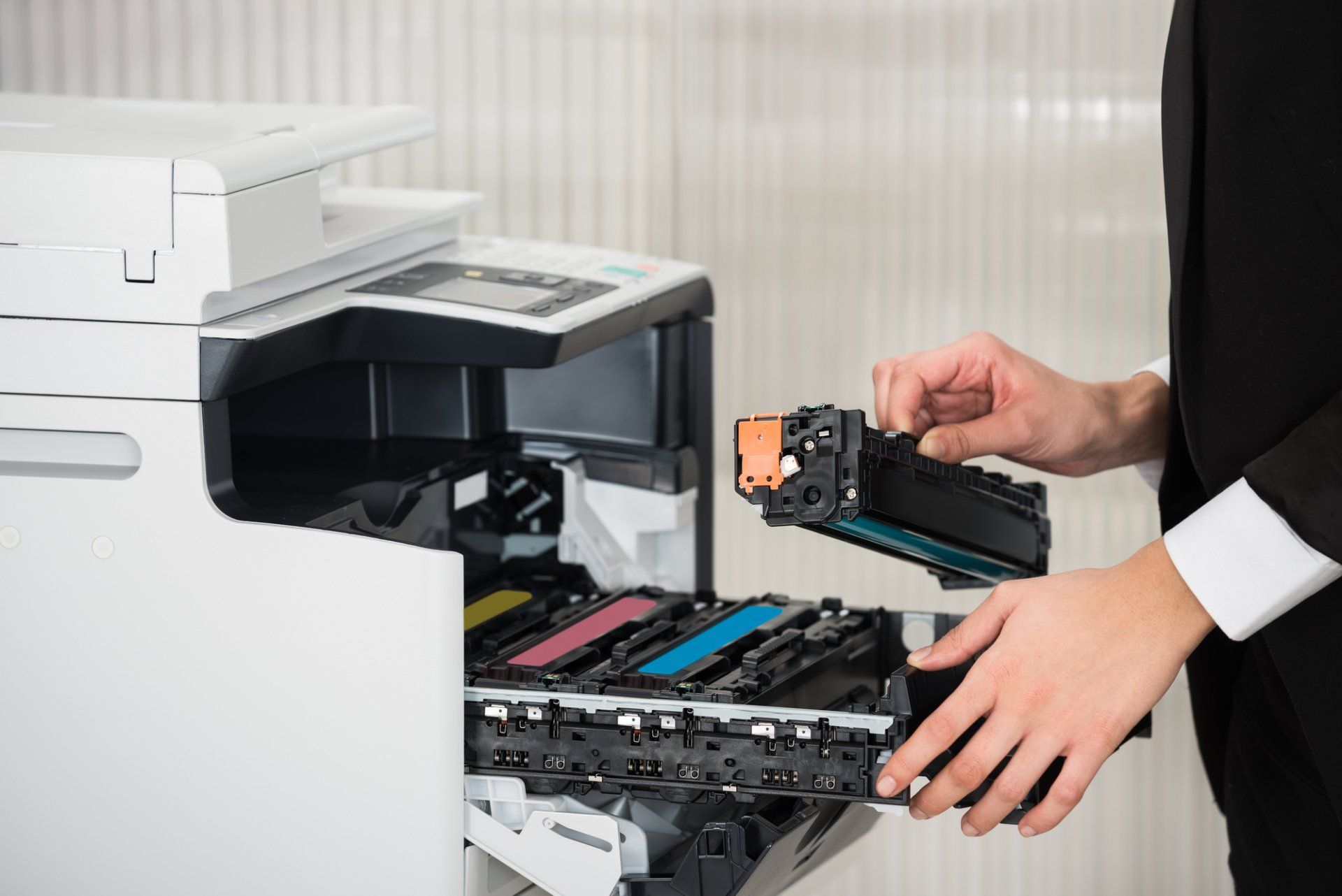
We use OEM cartridges for all new printers, our compatible cartridges have all new components. Learn more
Advanced Test Equipment
We use the latest and most advance MICR Test Equipment like Verifier and Golden Qualifier. Learn more
Check Security Paper
Printerm supplies check paper which confirms to the US and Canadian banking standards. Learn more
B E S T V A L U E P R I C E G U A R A N T E E
Check out our Top Sellers
Understanding the need for rapid and accurate response in today's computer market, Printerm Datascribe, Inc. provides coast to coast installation and on-site service for our products. In locations where we currently do not have our own service staff, we utilize a third party service subcontractor.
Printerm Press Releases

Best value price guarantee
We shop the competition so you don't have to. If you find a lower price on the web for comparable quantities and quality, we will match or beat that price!

The Printerm team specializes in Check and Micr Check Printer sales and support. Contact us for more information on Micr and Check Printer solutions and see how we can help you!
About Us
Helpful Info
Services & Solutions